Maintaining clean air ducts is crucial for ensuring healthy indoor air quality in any building, especially in large facilities. Over time, dust, debris, allergens, and even mold can accumulate within these duct systems, impacting employee health, comfort, and productivity. Regular air duct cleaning is therefore a vital part of a comprehensive building maintenance plan.
When it comes to removing this accumulated debris, two types of vacuums are often considered: HEPA vacuums and shop vacs. Both offer powerful suction capabilities, but they differ significantly in their filtration and suitability for this specific task.
Key Differences:HEPA (High-Efficiency Particulate Air) vacuums are designed to capture a minimum of 99.97% of particles that are 0.3 microns in diameter. This makes them highly effective at trapping fine dust, allergens, and mold spores, preventing these contaminants from being recirculated back into the air. This is particularly important when dealing with potentially hazardous materials found in ductwork.
Shop vacs, on the other hand, are general-purpose vacuums designed for cleaning up a variety of messes, from sawdust to liquid spills. While they offer strong suction, their filtration systems are typically less sophisticated than those found in HEPA vacuums. Standard shop vac filters may not be capable of capturing the smallest particles, potentially releasing them back into the environment. Understanding these key differences is essential when selecting the right equipment for air duct debris removal.
HEPA filtration is a critical component in maintaining indoor air quality, especially during duct cleaning procedures. HEPA stands for High-Efficiency Particulate Air, and it refers to a filter that meets a specific standard of efficiency in capturing airborne particles. To be certified as HEPA, a filter must be able to capture at least 99.97% of particles that are 0.3 microns in diameter. This size is considered the most penetrating particle size (MPPS), meaning it's the hardest to capture.
Why is this level of filtration so important during duct cleaning? Air ducts can harbor a variety of contaminants, including dust, pollen, mold spores, and even bacteria. When these ducts are cleaned, these particles become airborne, potentially circulating throughout the building and affecting the health of occupants. Without proper filtration, these contaminants can trigger allergies, asthma, and other respiratory problems.
Key HEPA Filter Facts:HEPA filters trap these microscopic particles, preventing them from being released back into the air. This is particularly crucial in environments where sensitive individuals, such as those with allergies or respiratory conditions, are present. Using a vacuum with HEPA filtration ensures that the air is not only cleaner after the duct cleaning process but also significantly reduces the risk of airborne contamination during the cleaning itself. Choosing a HEPA-equipped vacuum is an investment in the health and well-being of everyone in the building.
Shop vacs are designed for general-purpose cleanup, excelling at picking up larger debris like wood shavings, nails, and liquids. Their robust motors and large-capacity tanks make them suitable for handling significant volumes of material. However, this versatility comes at a cost when dealing with fine particulate matter like the dust and allergens found in ductwork. Standard shop vac filters are often inadequate for capturing these smaller particles, leading to recirculation of dust back into the environment.
The filters included with most shop vacs are typically designed for larger debris and offer limited filtration efficiency for fine dust. While some shop vacs offer optional upgrades to finer filters, even these may not achieve the level of filtration required for effective duct cleaning. The pores in standard filters are often too large, allowing microscopic particles to pass through and become airborne. This can worsen air quality and pose health risks, especially for individuals with respiratory sensitivities.
Most shop vacs utilize a single-stage filtration system, where all incoming air passes through a single filter. This design can quickly clog the filter when dealing with large quantities of fine dust, reducing suction power and overall cleaning effectiveness. Clogged filters also lead to increased motor strain, potentially shortening the lifespan of the shop vac. The dust collection bags, if used, may also not be fine enough to trap the smallest particles encountered in duct cleaning.
Key Limitations of Shop Vacs for Duct Cleaning:The filtration efficiency of a standard shop vac is significantly lower compared to HEPA-rated vacuums. While a standard filter may capture larger particles, it often fails to trap the microscopic dust, mold spores, and allergens commonly found in ductwork. This can lead to the re-emission of these harmful particles back into the air, negating the benefits of cleaning. For duct cleaning, a higher level of filtration is crucial to ensure that the collected debris is effectively contained.
Many shop vacs also include a blower function, which can be tempting to use for dislodging duct debris. However, using the blower without proper filtration is highly discouraged. Blowing dust and debris out of the vents without a vacuum to capture it simply redistributes the contaminants throughout the building. This can create a much larger mess and significantly worsen indoor air quality, making the situation worse than before.
HEPA vacuums stand apart due to their meticulous design, specifically engineered to capture and contain exceptionally fine particles. The core of this capability lies in the HEPA filter itself. "HEPA" stands for High-Efficiency Particulate Air, and these filters must meet stringent standards, typically capturing at least 99.97% of particles that are 0.3 microns in diameter. This size is particularly challenging to filter, making it a benchmark for filtration effectiveness.
Beyond the filter, HEPA vacuums often incorporate sealed systems to prevent leakage of collected debris back into the environment. This means that all components, from the vacuum head to the exhaust port, are tightly sealed to ensure that air only passes through the HEPA filter. Multiple stages of filtration are also common, with pre-filters capturing larger particles to extend the life and efficiency of the HEPA filter.
The design extends to practical features that aid in containment. Many models include bagless designs with easy-to-empty dustbins or disposable bags that seal securely upon removal, minimizing exposure to collected debris. Variable suction control allows users to adjust the vacuum's power based on the surface being cleaned, preventing the dispersal of fine particles. These design elements work in concert to provide a vacuum that not only removes debris but also safeguards air quality by preventing the reintroduction of harmful particles.
When it comes to duct cleaning, the most critical difference between HEPA vacuums and shop vacs lies in their dust particle retention capabilities. HEPA (High-Efficiency Particulate Air) vacuums are specifically designed to capture at least 99.97% of particles that are 0.3 microns in diameter. This level of filtration is crucial when dealing with the potentially harmful dust and debris found in HVAC systems, which can include mold spores, allergens, and other irritants.
Shop vacs, on the other hand, typically lack the advanced filtration systems found in HEPA vacuums. While they can handle larger debris, their filtration efficiency is significantly lower, often allowing smaller particles to escape back into the air. This poses a potential health risk, especially in enclosed environments, as it can lead to respiratory irritation and exacerbate existing allergies or asthma.
Key Differences in Filtration:
The difference in efficiency percentages translates directly to the air quality after cleaning. Using a shop vac might visibly remove larger debris, but it could simultaneously release a cloud of microscopic particles that remain suspended in the air for extended periods. In contrast, a HEPA vacuum traps these particles, ensuring a much cleaner and healthier environment post-cleaning. For workplaces, especially those with sensitive individuals, the superior filtration of HEPA vacuums makes them the clear choice for duct debris removal.
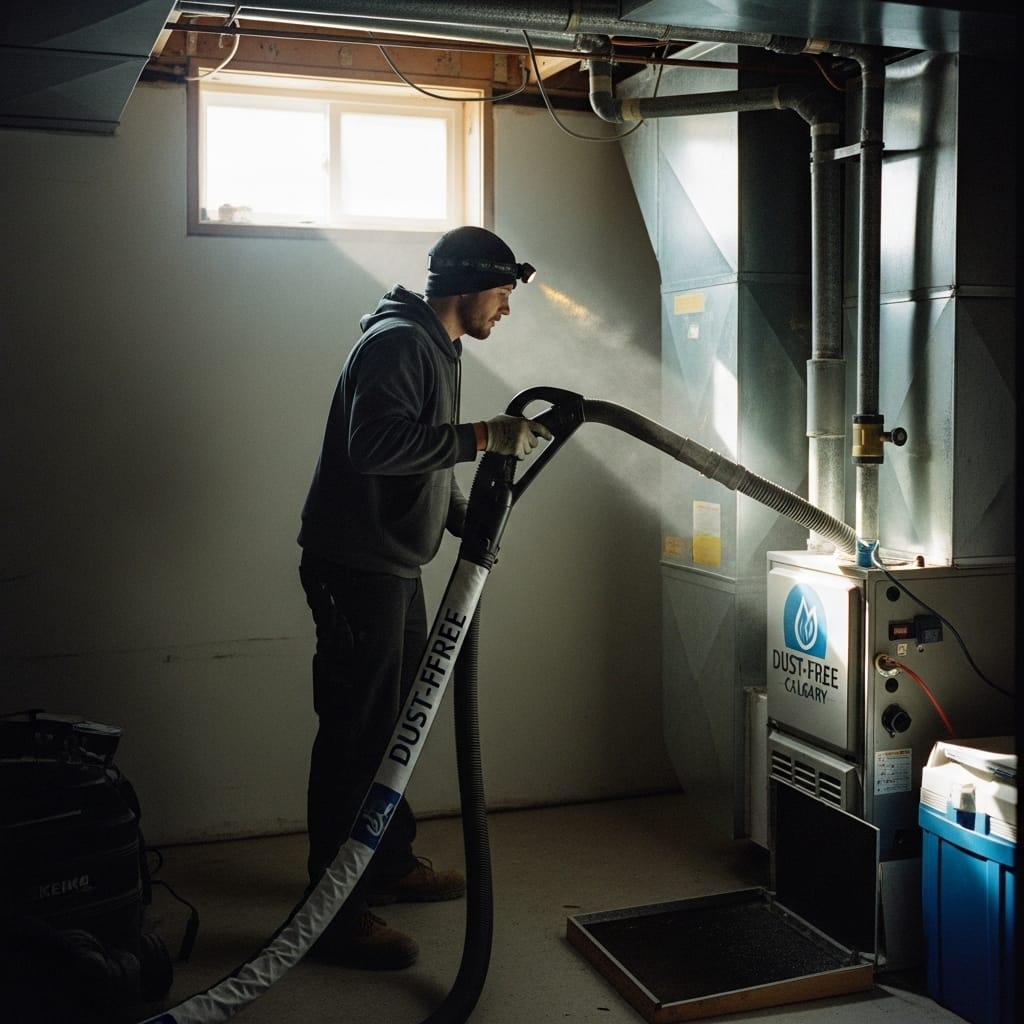
The initial investment for HEPA vacuums and shop vacs can vary significantly. Generally, shop vacs are more budget-friendly upfront, with basic models available at relatively low prices. HEPA vacuums, due to their specialized filtration systems, typically command a higher initial cost. This price difference reflects the advanced technology and materials required to achieve HEPA-level filtration.
However, the long-term cost analysis extends beyond the initial purchase. Recurring maintenance costs, particularly filter replacements, play a crucial role. Shop vac filters are generally less expensive and more readily available than HEPA filters. HEPA filters, designed to capture microscopic particles, are more complex and require more frequent replacement to maintain optimal performance. The frequency of filter replacement depends on usage and the type of debris being collected. Heavy-duty use, especially with fine dust, will necessitate more frequent changes.
Key Cost Factors:Therefore, while a shop vac might seem like the more economical choice initially, the cumulative cost of cheaper filters and potentially more frequent replacements could eventually offset the initial savings. Conversely, a HEPA vacuum, despite its higher upfront cost, might prove more cost-effective in the long run due to its superior filtration efficiency and potentially less frequent filter changes, especially in environments where fine particulate matter is prevalent. It is important to consider the specific demands of the duct cleaning application and the anticipated frequency of use to determine the most cost-effective solution.
When choosing between a HEPA vacuum and a shop vac for duct cleaning, consider the specific characteristics of your ductwork and the type of debris you expect to encounter. HEPA vacuums excel in systems where fine particulate matter, such as dust, mold spores, and allergens, are prevalent. Their superior filtration ensures these contaminants are captured and not recirculated into the air, making them ideal for maintaining indoor air quality, especially in environments where occupants may have sensitivities. However, HEPA vacuums may struggle with larger debris like construction materials, leaves, or rodent droppings, which can quickly clog their filters and reduce suction power.
Shop vacs, on the other hand, are better suited for duct systems with a higher volume of larger, heavier debris. Their powerful suction and larger capacity can handle these materials more effectively. However, standard shop vacs lack the fine filtration of HEPA models, meaning they may exhaust some of the smaller particles back into the environment. In extensive or complex duct networks with numerous bends and branches, the stronger suction of a shop vac can be advantageous for reaching distant areas. Consider the accessibility of your ductwork; if access points are limited, a shop vac with a long hose might be necessary. For optimal results, consider using a shop vac with HEPA filter bags.
Navigating the landscape of workplace safety requires a thorough understanding of filtration standards, particularly when dealing with hazardous debris during duct cleaning. Numerous regulatory bodies, spanning local, national, and international levels, mandate specific filtration requirements to protect worker health and prevent environmental contamination.
In the United States, OSHA (Occupational Safety and Health Administration) sets permissible exposure limits (PELs) for various airborne contaminants. When removing duct debris, the chosen vacuum must effectively capture particles and prevent exceeding these limits. HEPA vacuums, certified to capture 99.97% of particles 0.3 microns in diameter, are often the preferred choice for compliance, especially when dealing with substances like asbestos, lead dust, or mold spores.
Furthermore, EPA (Environmental Protection Agency) regulations may apply, particularly concerning the disposal of collected debris. Proper containment and disposal procedures are crucial to prevent environmental contamination.
Key Regulatory Considerations:
Internationally, standards like those set by the European Union (EU) may have even stricter requirements for air filtration and worker protection. Companies operating globally must ensure their duct cleaning practices adhere to the most stringent applicable regulations.
Failing to meet these compliance standards can result in significant penalties, legal liabilities, and reputational damage. Therefore, understanding and adhering to relevant regulations is not just a matter of best practice, but a legal imperative for businesses prioritizing worker safety and environmental responsibility. Consulting with safety professionals and staying updated on the latest regulatory changes is essential for maintaining a compliant and safe workplace.
Air flow, or air flow, is the movement of air. Air behaves in a liquid manner, implying fragments naturally stream from locations of greater pressure to those where the pressure is reduced. Atmospheric atmospheric pressure is straight pertaining to altitude, temperature level, and make-up. In engineering, air movement is a dimension of the quantity of air each of time that streams via a certain device. It can be described as a volumetric flow rate (quantity of air per unit time) or a mass circulation price (mass of air each time). What associates both types of description is the air thickness, which is a feature of pressure and temperature with the perfect gas legislation. The flow of air can be generated with mechanical ways (such as by running an electric or hand-operated fan) or can take place passively, as a feature of pressure differentials existing in the atmosphere.
.Indoor air top quality (IAQ) is the air top quality within structures and frameworks. Poor interior air quality due to interior air pollution is known to impact the health, comfort, and well-being of structure residents. It has actually likewise been linked to sick structure syndrome, respiratory system problems, lowered performance, and damaged learning in colleges. Typical toxins of interior air include previously owned tobacco smoke, air contaminants from indoor combustion, radon, molds and other irritants, carbon monoxide, unstable natural substances, legionella and other bacteria, asbestos fibers, co2, ozone and particulates. Source control, filtration, and making use of ventilation to dilute pollutants are the key techniques for improving interior air top quality. Although ventilation is an essential element of keeping great indoor air top quality, it might not be satisfying alone. In scenarios where exterior contamination would weaken interior air quality, various other treatment devices such as filtering may also be required. IAQ is reviewed via collection of air samples, keeping track of human exposure to toxins, analysis of building surface areas, and computer modeling of air circulation inside buildings. IAQ is part of interior environmental high quality (IEQ), in addition to various other variables that apply an impact on physical and emotional aspects of life inside your home (e. g., lights, aesthetic quality, acoustics, and thermal convenience). Indoor air contamination is a major carcinogen in developing nations and is typically referred to as "family air contamination" in that context. It is mostly connecting to cooking and home heating techniques by burning biomass fuel, in the form of timber, charcoal, dung, and crop residue, in indoor environments that do not have proper ventilation. Numerous individuals, largely ladies and kids, face severe health threats. In overall, concerning 3 billion people in developing countries are impacted by this problem. The World Health Organization (WHO) approximates that cooking-related indoor air pollution creates 3. 8 million annual deaths. The Global Problem of Illness research study estimated the number of deaths in 2017 at 1. 6 million.
.